

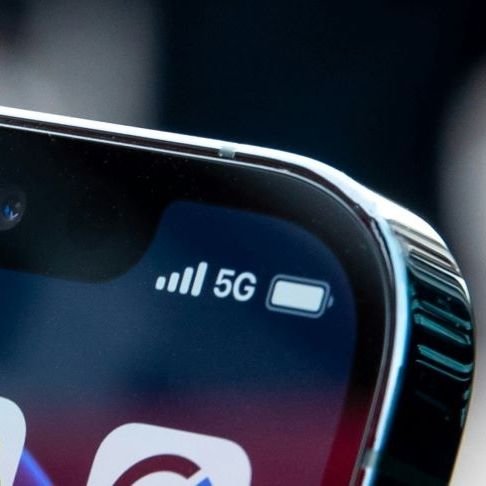
It’s easy to assume that more signal bars mean better network.
You look at your phone, see full bars, and expect everything to work perfectly. But then your video buffers… or your internet feels slow. Other times, you might only have one or two bars, yet calls go through just fine.
So what do those bars actually mean?
The simple answer is that signal bars are just a rough estimate of your phone’s connection to a nearby cell tower. They show how strong the signal is — but not how well your phone will actually perform.
Behind the scenes, your phone is measuring signal strength in technical values, but instead of showing you those numbers, it converts them into the bars you see. The problem is that there’s no universal standard for how this is done. Different phone manufacturers use different scales, which is why two phones in the same place can show different bar levels.
That’s where the confusion starts.
Even though more bars usually mean a stronger signal, that doesn’t automatically translate to faster internet or better call quality. There are other factors involved — and they often matter more than the bars themselves.
For example, network congestion plays a big role. You can have full bars in a crowded area, but still experience slow speeds because too many people are connected to the same network. On the other hand, in a less busy area, even a weaker signal can feel fast and stable.
Interference and your environment also matter. Thick walls, metal structures, or even being indoors can weaken how your phone connects. Distance from the cell tower, the type of network being used, and even how your phone is designed all play a part.
Another thing people don’t realize is that signal bars can be slightly delayed or inconsistent. As you move around, your phone is constantly updating its connection, which means the bars you see aren’t always a perfect reflection of what’s happening in real time.
Because of all this, signal bars are better seen as a general indicator — not a precise measurement.
If you really want to understand your connection, your phone can show actual signal strength in technical values, which give a more accurate picture. But for everyday use, most people rely on bars, even though they only tell part of the story.
What matters more is your real experience — how fast your apps load, how clear your calls are, and how stable your connection feels.
At the end of the day, more bars usually help, but they don’t guarantee performance. Your network experience depends on a mix of signal strength, network conditions, and your environment.
So the next time your internet feels slow, even with full bars… it might not be your signal after all.

Leave a Reply