
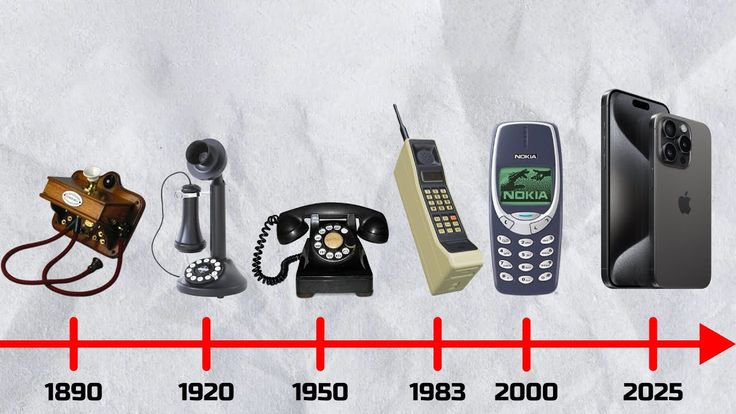
At AffiLab, we love tech and we especially love looking back at how far we’ve come. From the days when owning a mobile phone was a status symbol to today’s smartphones in nearly every pocket, the mobile phone journey in Malawi has been remarkable.
Let’s take a nostalgic trip down memory lane and appreciate how mobile technology transformed communication in Malawi.
The Pre-Mobile Era (Before 1995)
Before mobile phones, communication in Malawi relied on:
Fixed Landlines
- Expensive and limited availability
- Mostly in urban areas (Blantyre, Lilongwe, Mzuzu)
- Long waiting lists to get a line installed
- International calls were a luxury
Public Payphones
- Found in urban centers
- Required coins or phone cards
- Often out of order
Pagers (Beepers)
- One-way communication devices
- Received numeric messages
- You’d see the number and find a payphone to call back
- Popular among business people and doctors
Letters & Telegrams
- Snail mail through Malawi Posts
- Could take days or weeks
- Telegrams for urgent messages
The Mobile Revolution Begins (1995-2000)
The Arrival of TNM (1995)
Telecom Networks Malawi (TNM) launched mobile services in Malawi in 1995, changing everything.
The First Mobile Phones:
- Massive brick-like devices
- Weighed 500g-1kg
- Battery lasted maybe 2-3 hours of talk time
- No SMS, just voice calls
- Cost: Over MK100,000+ (equivalent to much more today)
Who Had Them:
- Business executives
- Government officials
- Wealthy individuals
- NGO workers
Mobile Culture:
- Owning a mobile phone was a major status symbol
- People would display them prominently
- Making calls in public was a flex
- “I’ll give you a beep” became “I’ll call you”
Key Memory: The Antenna Era
Remember when phones had external antennas you had to pull out? That was peak 90s technology.
The Nokia Dominance (2000-2008)
The Iconic Nokia 3310 (2000)
This phone is legendary for good reason:
Features:
- Indestructible (you could literally throw it)
- Battery lasted 3-5 days
- Snake game (hours of entertainment)
- Customizable ringtones
- Changeable faceplates
Why It Was Perfect for Malawi:
- Survived drops, dust, and rough handling
- Long battery life ideal for areas with unreliable electricity
- Simple to use
- Affordable (eventually)
Cultural Impact:
- SMS culture exploded
- “Please call me” messages became common
- “Flashing” (calling and hanging up) to ask someone to call you back
- Sharing phones became normal
Other Notable Nokia Phones
Nokia 1100 (2003)
- Even more affordable than 3310
- Dust and splash-resistant
- Built-in flashlight (revolutionary!)
- Best-selling phone globally
Nokia 1200 series
- Basic, reliable, cheap
- Perfect for Malawi’s market
- Many people’s first personal phone
Nokia 6600 (2003)
- Symbian operating system
- Color screen!
- Basic internet capabilities
- Camera phone (VGA quality)
- For “power users”
The Rise of Airtel (Previously Celtel/Zain)
Airtel entered the market, bringing competition:
- Lower call rates
- More affordable phones
- TNM vs Airtel rivalry began
- “Uli ndi network yanji?” (Which network do you have?) became a standard question
The Feature Phone Era (2008-2012)
Phones Got Smarter (But Weren’t Smartphones Yet)
Popular Features:
- Color screens (finally!)
- Built-in cameras (2-5MP)
- MP3 music players
- FM radio
- Bluetooth file sharing
- Memory card slots
- Basic internet (WAP browsers)
- Java games
Chinese Brands Arrived:
- Tecno
- Infinix
- Itel
- G-Tide
- Nokia competitors at fraction of the price
- Multiple SIM card slots (TNM + Airtel in one phone!)
- Loud speakers for music
- Long battery life (some claimed 1 month standby!)
Mobile Money Revolution
TNM Mpamba & Airtel Money:
- Launched around 2011-2012
- Changed how Malawians handled money
- Send money via SMS
- Pay bills remotely
- Reduced need to carry cash
- Major impact in rural areas
Cyber Cafes Peak
Since phones had limited internet, cyber cafes thrived:
- Facebook access
- Email checking
- Research and downloads
- Printing services
- Gaming
The Smartphone Era Begins (2012-2016)
Android Arrives in Malawi
Early Smartphones:
- Samsung Galaxy Y
- Tecno Phantom
- Huawei entry-level models
- Small screens (3.5″ – 4″)
- Limited RAM (512MB)
- Slow processors
- But… you could access Facebook!
Game Changers:
- WhatsApp replaced SMS
- Facebook accessible on phones
- YouTube (though data was expensive)
- Google Maps
- Mobile banking apps
Challenges:
- Expensive smartphones (MK150,000+)
- Very expensive mobile data
- Limited 3G coverage
- Poor battery life
- Still seen as luxury items
The Tecno & Infinix Rise
Chinese brands democratized smartphones in Malawi:
- Affordable Android phones (MK40,000-80,000)
- Decent specs for the price
- Stylish designs
- Aggressive marketing
- Good after-sales service
Impact: More Malawians could finally afford smartphones
The Modern Era (2016-Present)
4G/LTE Rollout
- Faster internet speeds
- Streaming became possible
- Video calls worked properly
- Better coverage in urban areas
Smartphone Becomes Standard
Today’s Reality:
- Most Malawians own smartphones
- From students to vendors to professionals
- Price range: MK50,000 – MK1,000,000+
- Options for every budget
Current Trends:
- Larger screens (6.5″+ is standard)
- Multiple cameras
- High RAM (4GB-8GB common)
- Large storage (64GB-128GB)
- Long-lasting batteries (5,000mAh+)
- Fast charging
- Fingerprint sensors
- Face unlock
How We Use Phones Today
Essential Functions:
- Communication (WhatsApp, calls)
- Mobile money (Mpamba, Airtel Money)
- Social media (Facebook, Instagram, TikTok)
- Banking
- Entertainment (YouTube, Netflix, gaming)
- Education (online learning)
- Business (mobile shops, marketing)
- Photography
- Navigation
For Many Malawians: The smartphone is their only computing device—no laptop or desktop needed.
From Then to Now: A Comparison
1995
- Phone: Brick-sized, voice only
- Cost: MK100,000+
- Battery: 2-3 hours talk time
- Purpose: Calls
- Owners: Very few, elite only
2005
- Phone: Nokia 1100/3310
- Cost: MK15,000-30,000
- Battery: 3-5 days
- Purpose: Calls, SMS, Snake game
- Owners: Growing middle class
2015
- Phone: Basic Android smartphone
- Cost: MK60,000-100,000
- Battery: 1 day
- Purpose: Calls, SMS, WhatsApp, Facebook, basic internet
- Owners: Increasingly common
2026
- Phone: Modern Android smartphone
- Cost: MK80,000-150,000 (mid-range)
- Battery: 1-2 days (with 5,000mAh)
- Purpose: Everything from communication, finance, entertainment, work, education
- Owners: Vast majority
What Hasn’t Changed
Challenges We Still Face:
- Expensive data costs
- Load shedding affecting charging
- Limited 4G coverage in rural areas
- High cost of flagship phones
- Balancing affordability vs. quality
What We Still Love:
- Long battery life (Nokia 3310 set the standard!)
- Durability
- Value for money
- Multiple SIM card support
- Loud speakers
The AffiLab Perspective
We’ve witnessed this entire evolution firsthand. From selling basic Nokia phones to today’s sophisticated smartphones, the journey has been incredible.
What We’ve Learned:
- Malawians value durability and battery life above all
- Affordability will always matter
- Phones aren’t just gadgets, they’re essential tools
- The right phone can change someone’s life (access to education, business opportunities, financial services)
Looking Ahead: The Future
What’s Coming:
- 5G networks (eventually)
- Even more affordable smartphones
- Better cameras in budget phones
- Longer-lasting batteries
- Foldable phones (for those who can afford them)
- More AI features
- Better integration with daily life
Challenges Ahead:
- E-waste management
- Sustainable tech consumption
- Digital literacy for all
- Bridging rural-urban digital divide
Conclusion
From the brick phones of 1995 to the pocket computers of 2026, mobile phones have transformed Malawi. They’ve democratized communication, enabled financial inclusion, created business opportunities, and connected us to the world.
At AffiLab, we’re proud to be part of this journey by helping Malawians find the right technology for their needs, one phone at a time.
What’s your first phone memory? Nokia 3310? A Tecno feature phone? Share your mobile phone story!
AffiLab – From Yesterday’s Phones to Tomorrow’s Tech

Leave a Reply