

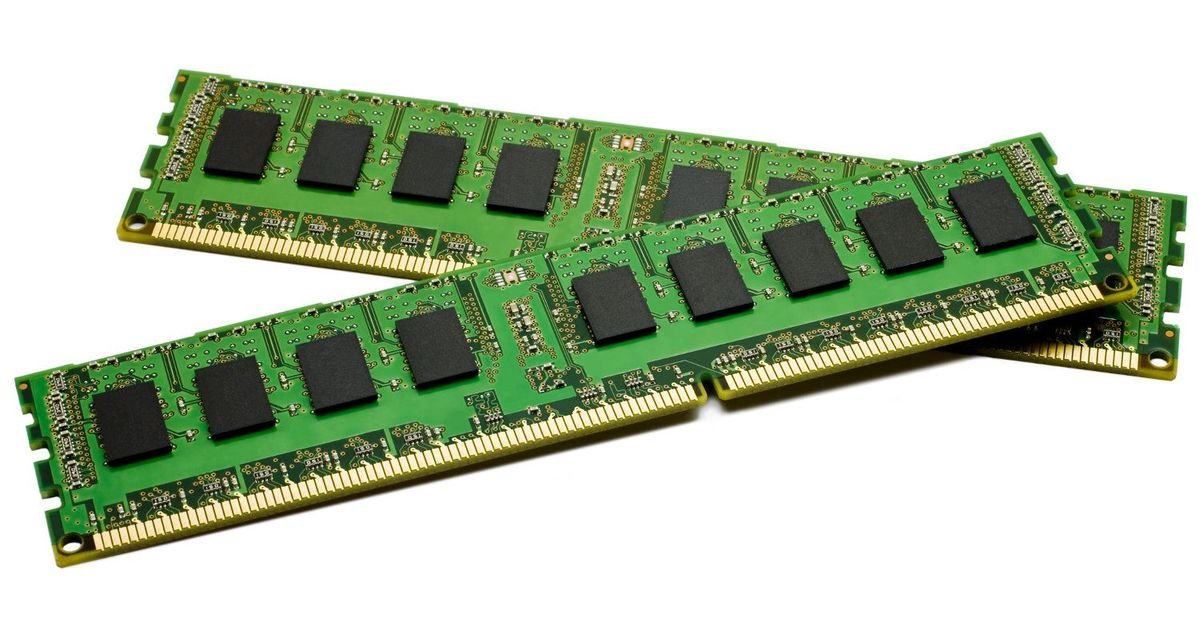
The global market for computer memory (RAM) and storage (SSD) is seeing big disruption — and what happens internationally will soon affect local tech markets too. Right now, selling your spare RAM or SSD at a “bargain” price might mean losing out. Here’s why you should wait.
📈 What’s Really Happening: Memory & SSD Prices Are Soaring
- Leading memory-chip maker Samsung recently increased contract prices for memory chips by up to 60% compared with just a few months ago, driven by growing demand from AI data centers.
- According to recent industry data, DRAM contract prices surged a massive 171.8% year-over-year as of Q3 2025. That’s among the steepest jumps — even outpacing gold’s recent price growth.
- NAND flash (the backbone of SSDs) is also seeing a squeeze: supply tightness and rising demand have pushed SSD component costs up, making storage upgrades and new SSDs significantly more expensive compared with just months ago.
- The pressure is not just chip-level. Hardware vendors are already reacting: some mini-PC makers have announced price hikes on models with SSD or DRAM, citing surging memory costs.
In short — memory and storage are in short supply, demand (especially from AI infrastructure) is skyrocketing, and prices are climbing fast.
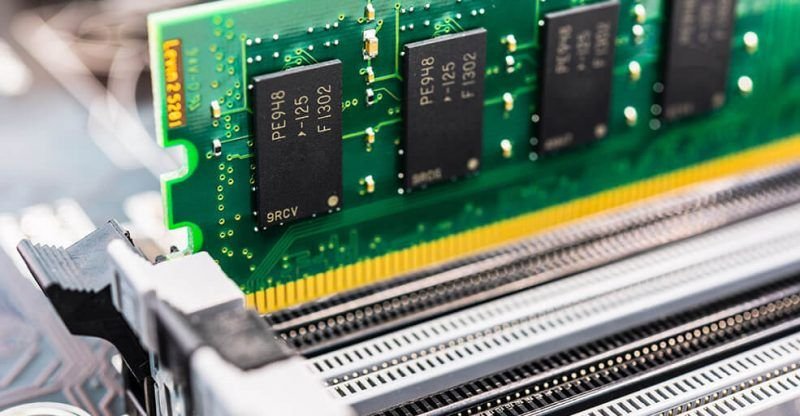
💡 What That Means for You (Especially in Malawi / Similar Markets)
– Your RAM and SSD are more valuable than you think
Selling a RAM stick or SSD now for a low price might mean missing out on higher value later — soon, replacement parts or upgrades will cost much more.
– Upgrades will get more expensive, so keep what you have
If your machine can still be upgraded with existing RAM/SSD, you’ll save more by holding onto components. Once prices spike locally, buying new parts will cost significantly more.
– Local demand + import costs will drive final prices even higher
Because Malawi (and similar markets) rely on imports — and import costs + shipping + taxes add up — the global hike will likely translate into steeper retail prices locally.
– For resellers/traders: think twice before dumping stock cheap
If you’re selling used parts, now may not be the best time — you could end up selling at a loss compared with replacement value in a few months.
✅ What You Should Do Instead of Selling Cheap
- Hold onto your RAM/SSD if you don’t urgently need cash. Wait until prices stabilize or settle at a higher value.
- If upgrading, do it now — before prices go even higher. If you need an upgrade, buy while you can still find components at “normal” prices.
- Track global memory market data to time your purchase or sale wisely (watch reports from major memory-chip makers).
- Avoid panic selling or using outdated price guides — check current global and local market rates before pricing anything.

Leave a Reply