

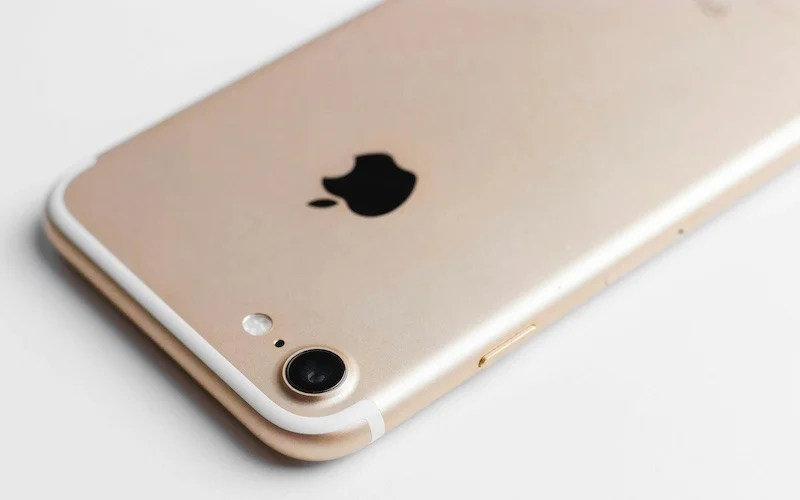
Over the years, the iPhone 7 and 7 Plus have become some of the most common iPhones on the Malawian market. They’re cheap, easy to find, and usually look brand new. But here’s the truth most people don’t tell you:
These two iPhones are the most problematic models Apple ever made.
If you’re planning to buy one in 2025, you’re setting yourself up for stress, repairs, wasted money, and endless frustration.
Let’s break down why you should avoid them — and what to buy instead.
1. Baseband Failure (The “Searching…” Problem)
The iPhone 7 series is notorious for a defect called baseband failure.
This is not a minor issue — it’s a design flaw that causes:
- Constant “Searching…” or “No Service”
- Slow, freezing performance
- Overheating
- Phone taking 5–10 minutes just to turn on
- Audio issues during calls
Even phones that look brand new can have this problem. Apple was sued for it, and technicians everywhere know:
👉 When an iPhone 7 loses baseband, it’s only a matter of time before it becomes unusable.
2. Tristar Charging IC Failure
Another common issue with the iPhone 7/7 Plus is the charging IC, also known as Tristar.
This chip can die from:
- Cheap chargers
- Power surges
- Fake cables
- Charging from weak USB ports
Once it fails, your phone may:
- Stop charging completely
- Charge extremely slow
- Turn on and off randomly
- Get stuck on apple logo
- Overheat while charging
Many iPhone 7s on the market already have a weak or previously repaired Tristar
3. Touch Disease (Especially on iPhone 7 Plus)
If you’ve ever seen:
- A flickering screen
- Touch not responding
- A grey bar at the top
That’s Touch Disease — another manufacturing defect that Apple quietly admitted to.
Fixing it is expensive, and in most cases, temporary.
4. Most iPhone 7 Units in Malawi Are Refurbished or Damaged Before Arrival
This is another hidden problem.
Many iPhone 7/7 Plus units shipped to Malawi are:
- Refurbished in China
- Water-damaged then cleaned
- Repaired multiple times
- Fitted with fake batteries
- Given new screens and cases to look “new”
They look perfect outside but are already dying inside.
5. These Phones Overheat Easily
The design of the iPhone 7 family traps heat inside.
Once the phone overheats:
- ICs start failing
- The phone slows down
- Battery drains fast
- The phone becomes unstable
For a 2016 device in 2025, this is a serious problem.
6. Repairing an iPhone 7 Doesn’t Guarantee Peace
Even after spending money on:
- Baseband
- Tristar
- Touch IC
- Audio IC
The phone can fail again.
You end up spending more than the phone’s value.
So, Should You Buy an iPhone 7 or 7 Plus in 2025?
No.
If you want peace of mind, stable performance, and a phone that won’t frustrate you daily, avoid these two models completely.
They are cheap for a reason — and that reason is problems.
Better Alternatives (Still Affordable)
If you’re on a budget, these models are far more reliable:
- iPhone 8
- iPhone 8 Plus
- iPhone SE 2020
- iPhone XR
- iPhone 11
They don’t have the baseband or Touch Disease issues that ruined the iPhone 7 series.

Leave a Reply